Quick answer
Choose a scalp micropigmentation artist by checking their healed results, SMP-specific training, hygiene standards, consultation process and experience with your type of hair loss. Pay particular attention to hairline work, pigment colour and whether they explain limitations honestly. I recommend meeting the practitioner before committing to treatment.
What should I look for in a scalp micropigmentation artist?
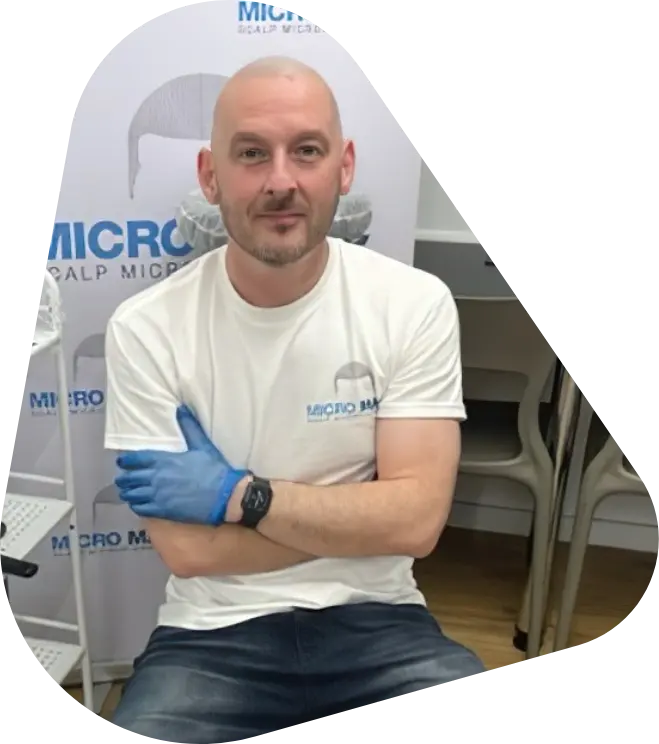
I am Stuart Buckley, Owner and Head SMP Technician at Micro Magic SMP in Manchester. When someone asks me how to choose a good scalp micropigmentation artist, I suggest starting with evidence rather than promises.
Look for a practitioner who specialises in SMP, not someone who has simply added it to a broad list of tattoo services. SMP requires control of pigment depth, dot size, spacing, density and colour across a curved, changing surface. The scalp also presents different challenges when there is thinning hair, alopecia, scarring or existing hair-transplant work.
Ask who trained the practitioner, how long they have been performing SMP and what qualifications or certificates they hold. You should also ask about their body art registration, bloodborne pathogens training and health and safety procedures. There is no single universal qualification that proves artistic ability, so training should be considered alongside real, healed work.
A good artist should be comfortable discussing what SMP can and cannot do. It creates the appearance of closely cropped hair or greater density. It does not regrow hair, change natural growth or treat the cause of hair loss.
How to check an SMP artist before you book
- Look for a practitioner who specialises in SMP, not someone who has simply added it to a broad list of tattoo services.
- Ask who trained them, how long they have been performing SMP and what qualifications or certificates they hold.
- Ask to see clear healed photographs, taken in ordinary lighting and from several angles.
- Study the hairline first. It should not look like a solid painted edge.
- Ask how they prevent cross-contamination and whether single-use needles are opened in front of you.
- Choose someone you can speak to openly at the consultation.
Why are healed photographs more useful than fresh results?
Freshly completed SMP can look darker and sharper than the settled result. That is why I would ask to see clear healed photographs, taken in ordinary lighting and from several angles. Ideally, the portfolio should include people with a similar skin tone, hair colour, degree of hair loss and treatment aim to yours.
Study the hairline first. This is one of the clearest signs of an artist’s judgement. A good hairline should suit the person’s age, facial structure and remaining hair. It should not look like a solid painted edge. The transition from the hairline into the rest of the scalp should be gradual, with natural variation in density and placement.
Also inspect the dots across the crown, temples and sides. They should look like follicles at a normal viewing distance, rather than large marks, connected lines or a grey block. The result should reduce contrast between the scalp and hair, not make the scalp appear painted.
Do not rely only on social media images. Ask whether photographs show healed work and whether they are the practitioner’s own clients. A responsible artist should not be uncomfortable explaining what you are looking at.
What should happen during the consultation?
A proper consultation should be specific. I assess your hair loss pattern, existing hair, scalp condition, skin type, lifestyle and expectations before discussing a treatment plan. We should talk through whether you want a shaved appearance, density work between existing hairs, scar coverage or help with alopecia.
Before treatment, the scalp should be checked for active acne, eczema, psoriasis or other irritation. Anyone with a history of keloid or spontaneous keloid scarring should speak with a dermatologist before considering SMP, because tattooing can trigger abnormal scarring or a flare-up. You should also disclose allergies, medical conditions, medication and any previous scalp procedures.
Your artist should explain the proposed hairline, pigment colour, likely number of sessions and the time allowed for healing between them. The number of sessions depends on the area and the result required, and is assessed at consultation. The first session is usually more measured, with further sessions adding density and detail once the skin has settled.
Pay attention to how the practitioner handles questions. You should be told that some scalp showing through is normal, that the pigment will fade over time and that touch-ups may eventually be needed. SMP is intended to be long-lasting, but it is not an unchanging result.
How can I check safety and hygiene?
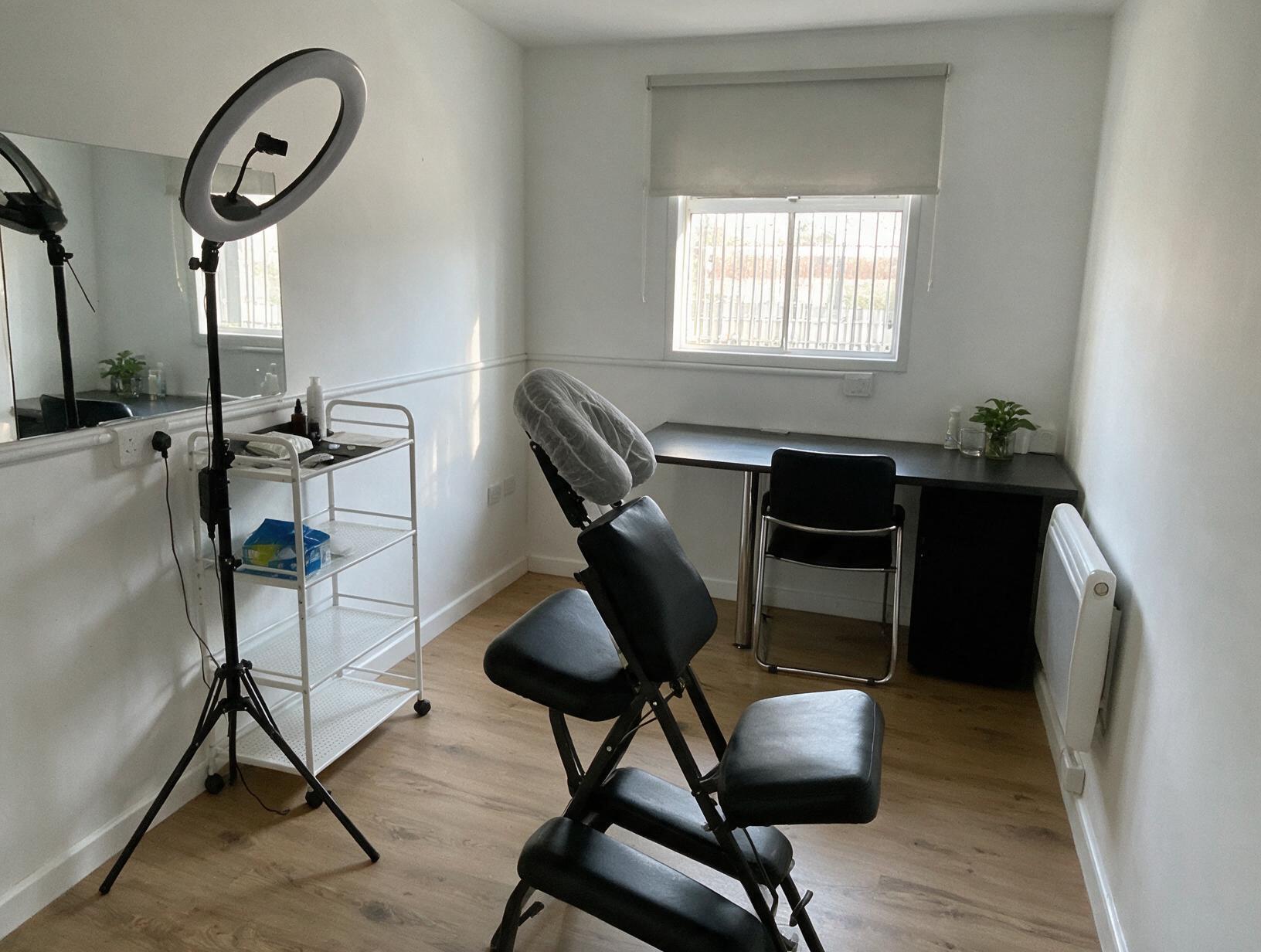
SMP involves placing pigment into the upper layers of the skin, so hygiene matters. Ask how the practitioner prevents cross-contamination and whether single-use needles are opened in front of you. The artist should use gloves, suitable barriers and a clean treatment environment, and dispose of sharps correctly.
It is reasonable to ask what pigments are being used and how the practitioner records the treatment. You should also be told about potential complications, including infection, allergic reaction, scarring, colour change and pigment spreading if the depth is incorrect. They should not be dismissed.
A small patch test may be offered where appropriate, particularly if you have known allergies. Disclose every allergy before treatment, including reactions to tattoo pigments, adhesives or topical products.
Does the artist understand different forms of hair loss?
Experience should match your needs. Male pattern baldness, diffuse thinning, alopecia and scalp scarring do not all behave in the same way. Scar tissue can hold pigment differently from unaffected skin, while scarring alopecia may require closer monitoring and future maintenance.
If you are considering treatment for alopecia, you can read more about SMP for alopecia. For transplant or injury marks, ask to see relevant examples rather than assuming that a standard shaved-head result will demonstrate the same skill.
For clients with remaining hair, the artist should explain how to maintain a compatible length. Fine stubble, maintained every few days, can blend with the follicle impressions. More advanced hair loss may suit a fully shaved look. If your goal is density, the practitioner should explain that the natural hair will still be visible and that SMP is designed to reduce scalp show-through.
What aftercare and long-term advice should I expect?
Your artist should give written aftercare instructions. In general, keep the scalp dry, avoid washing, sweating, heavy exercise, hot showers, steam rooms and sun exposure during the early period advised by the practitioner. After the final treatment, avoid swimming, saunas and steam rooms, and protect the scalp from sunlight for the specified healing period. Once healed, use suitable SPF and follow the grooming guidance you are given.
Do not pick at flaking or scabs. Some darkening, lightening and mild redness can occur as the skin settles. Contact your healthcare provider if you develop fever, pus or drainage, severe pain, severe redness or significant swelling. You should also contact the practitioner about unusual discomfort or healing that differs from what was discussed.
Finally, choose someone you can speak to openly. I work from Micro Magic SMP in Manchester, where the consultation is an important part of deciding whether the treatment suits your expectations. You can SMP for baldness, or contact Micro Magic SMP to arrange a consultation.
You are welcome to book a consultation when you feel ready, with no pressure to proceed.
Frequently asked questions
How long should a scalp micropigmentation artist have been practising?
Experience matters, but years alone do not prove quality. Ask how many SMP procedures the practitioner has completed, whether they work regularly with your type of hair loss and whether they can show healed results.
Should a scalp micropigmentation artist be medically qualified?
SMP is a cosmetic tattoo procedure, not a treatment for the medical cause of hair loss, so the practitioner does not diagnose your condition. However, they should have dedicated SMP training, appropriate local body art registration, bloodborne pathogens training and clear hygiene procedures. Medical questions about hair loss may require your GP or dermatologist.
Can I choose an artist based only on online reviews?
No. Reviews can help you understand communication and client experience, but they do not show technical detail. Combine them with healed portfolio images, a consultation and questions about training, pigments, hygiene, hairline design and aftercare. Be cautious if an artist cannot explain whether their images show fresh or healed work.
What is a warning sign when choosing an SMP practitioner?
Warning signs include pressure to book immediately, vague answers about training, no healed portfolio, a one-shape-fits-all hairline, poor hygiene or unrealistic promises. I would also be cautious if the consultation does not include your scalp condition, medical history, expectations and the limitations of SMP.
Can a good artist correct poor scalp micropigmentation?
Correction depends on pigment depth, colour, shape, density and the condition of the skin. Some work can be adjusted, but heavily blurred or misplaced pigment may require laser removal before a new design is attempted. Choosing an experienced practitioner at the start reduces the chance of creating a result that is difficult to correct.
How should I compare scalp micropigmentation artists in the UK?
Use the same checklist for each consultation: dedicated SMP training, relevant healed examples, hygiene standards, clear aftercare, realistic expectations and an approach that suits your hair loss. Compare the quality of the work and the care of the consultation, rather than choosing solely on convenience or the lowest quote.