Quick answer
Scalp micropigmentation is a cosmetic tattoo treatment where I place tiny pigment dots into the scalp to create the appearance of hair follicles, fuller density or a closely shaved head. It can camouflage thinning, baldness, alopecia and scars, but it does not regrow hair or treat the cause of hair loss.
How does scalp micropigmentation work?
I use a specialised tattoo device and a fine needle to deposit carefully matched pigment into the upper layers of the scalp. The dots are placed in a stippled pattern, with their size, spacing and tone adjusted to suit your existing hair, skin and chosen finish.
When the scalp shows through thinning hair, micropigmentation on the scalp reduces the contrast between the skin and hair. This can create the visual impression of greater density. For someone with advanced hair loss, I can create the appearance of short, closely shaved follicles across the scalp.
The work is permanent cosmetic tattooing, although it gradually softens and fades. It does not wash away with shampoo, does not stimulate growth and does not change your natural hair-growth pattern. It also does not damage existing follicles when performed correctly.
It is sometimes called a hair tattoo. The name is useful, but the result should not look like ordinary tattoo work. A natural result depends on restrained pigment placement, careful colour selection and a hairline that suits your age, facial structure and expectations.
Scalp micropigmentation at a glance
- I use a specialised tattoo device and a fine needle to deposit carefully matched pigment into the upper layers of the scalp.
- It can create the visual impression of greater density by reducing the contrast between the skin and hair.
- The work is permanent cosmetic tattooing, although it gradually softens and fades.
- It does not stimulate growth and does not change your natural hair-growth pattern.
- It does not wash away with shampoo.
Who can scalp micropigmentation help?
People consider scalp micropigmentation for several different forms of hair loss and scalp change. I regularly assess clients who are researching options for male pattern baldness, a receding hairline, thinning hair, alopecia, post-transplant scarring or other visible scalp scars.
It can be applied between existing hair rather than only to a fully shaved scalp. This makes density treatment suitable for some men who want to keep their hair and reduce scalp show-through. If you have more advanced loss, a shaved finish may blend more naturally with the pigment.
Scalp micropigmentation can also camouflage certain scars, although scar tissue may hold pigment differently from unaffected skin. I explain what is realistic during consultation rather than assuming every area will heal in the same way.
If hair loss is unexplained, rapidly changing or associated with an active scalp condition, you should speak with an appropriate healthcare professional before cosmetic treatment. SMP is camouflage, not diagnosis or treatment for an underlying disease.
You can read more about SMP for baldness, or see how the approach may differ for SMP for alopecia.
What happens during an SMP appointment?
Before treatment, I assess your scalp, hair colour, skin tone, hair-loss pattern and the result you want to maintain. We discuss whether you are aiming for greater density, a shaved appearance, hairline definition or scar coverage. I then mark the treatment area and agree the hairline with you before any pigment is placed.
You should arrive with clean hair and scalp. I match the pigment to your current follicle or hair colour, rather than choosing a tone that is simply darker. A darker result is not automatically a more natural one.
A full course commonly involves several sessions. The exact number depends on the size of the area, the amount of hair loss, your skin and how it heals. An individual appointment may take one to five hours. I normally build the result gradually, beginning more lightly and adding density and detail after the first area has healed.
Some redness and tenderness are possible immediately afterwards. The pigment can also look stronger at first, then soften as the scalp settles. Fading during healing is expected, which is why I do not try to achieve the final intensity in one rushed pass.
What is the aftercare and healing process?
After each session, follow the specific instructions I give you. As general guidance, keep the scalp dry, avoid shampooing, shaving, heavy exercise, sweating, hot showers and steam rooms for the first several days. Avoid direct sun on the treated area during this early period.
After the initial dry period, wash gently as advised. Do not pick or scratch flaking skin. You should avoid swimming pools for 28 days after the final treatment, and use SPF 30 to 50 on the scalp once sun protection is appropriate. Normal grooming can usually resume progressively as the skin settles.
The scalp may look darker or more intense for a short time, and light flaking can occur. Full healing can take around a month, although the visible appearance changes earlier. Contact a healthcare provider if you develop fever, pus or drainage, severe pain, severe redness or significant swelling.
How long does scalp micropigmentation last?
Results commonly last several years before a maintenance treatment may be needed, but longevity varies and is discussed at consultation. Sun exposure, skin ageing, skin type, lifestyle and the way your immune system processes pigment all affect fading. Dry skin and regular sun protection can influence how well the result is retained.
Scarring alopecia may require earlier review because scar tissue can be less predictable. A gradual fade is preferable to a result that remains harsh or overly saturated. During a future top-up, I can assess the existing colour and decide whether a light refresh is appropriate.
Choosing an experienced SMP professional matters because poor pigment placement, an unsuitable hairline or incorrect colour can create a result that is difficult to correct. Ask to see healed work, not only fresh treatment photographs, and discuss hygiene, qualifications and aftercare before proceeding.
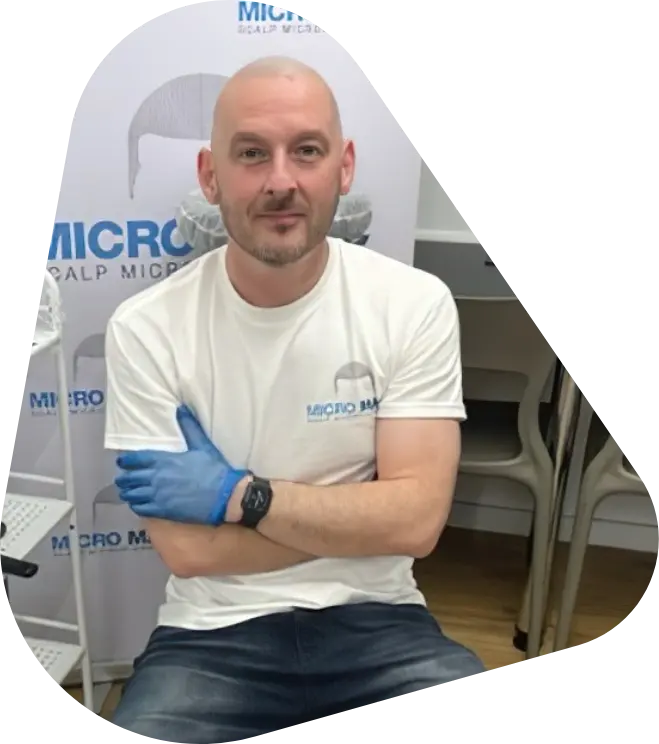
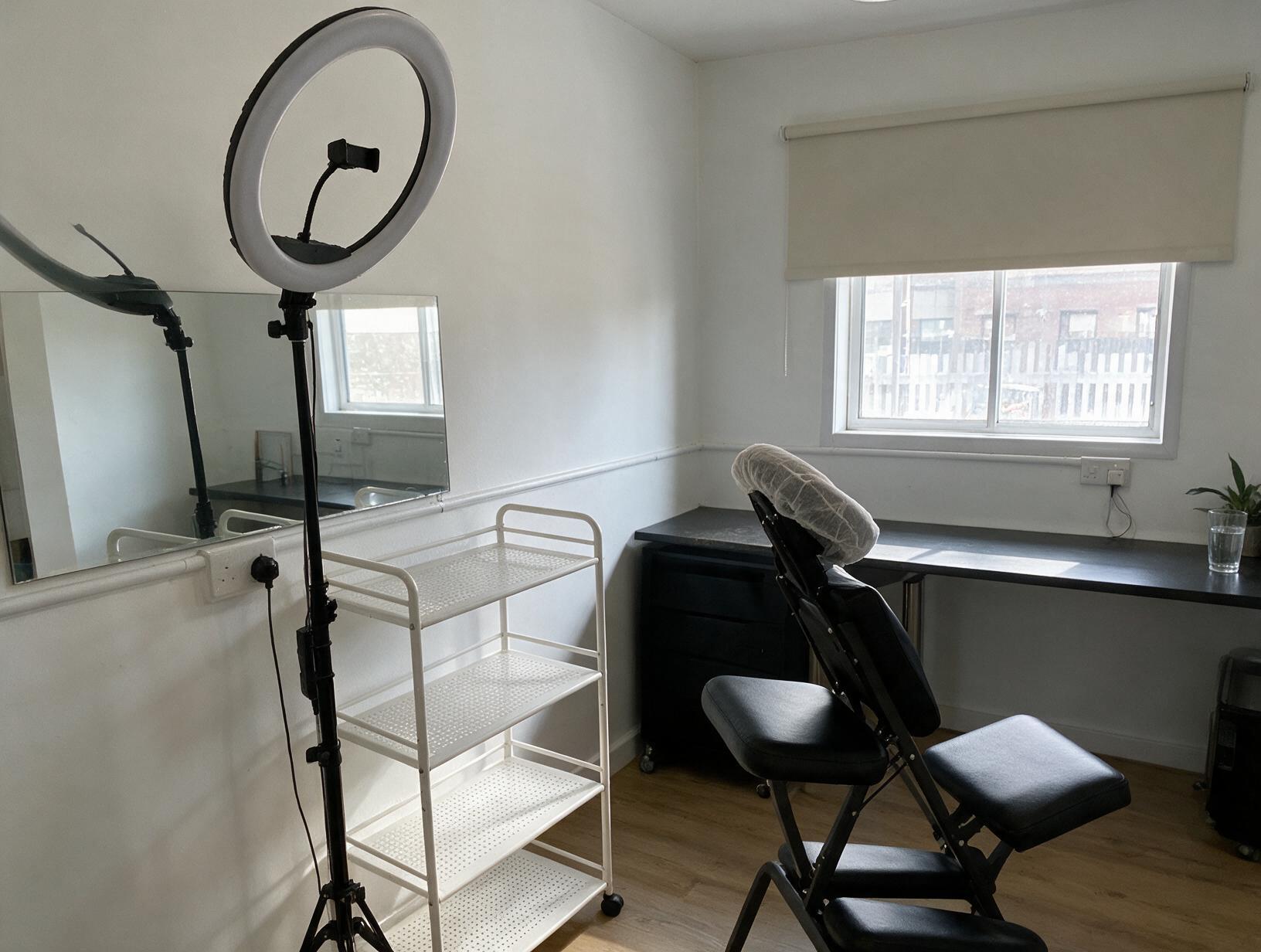
I provide Male Density, Shaved, Hair Tattoo, Alopecia, Female and Scars treatments at Micro Magic SMP in Manchester. If you would like to discuss your scalp and expectations, you can contact Micro Magic SMP to arrange a consultation.
Frequently asked questions
Is scalp micropigmentation the same as a hair transplant?
No. A hair transplant moves follicles and aims to produce growing hair. Scalp micropigmentation places cosmetic pigment in the scalp to imitate the appearance of follicles or density. It involves no follicle transfer and cannot restore biological hair growth, although it can be used alongside other hair-loss choices.
Can I keep my hair after scalp micropigmentation?
In suitable cases, pigment can be placed between existing hairs to reduce visible scalp show-through. The best maintenance style depends on your density, hair colour and the degree of thinning. I discuss whether fine stubble, a short clipper length or a shaved finish will blend most convincingly.
Does scalp micropigmentation hurt?
Sensation varies between people and across the scalp. Most clients describe it as manageable tattooing discomfort rather than severe pain. I work progressively and discuss comfort during the appointment. Your scalp may feel tender afterwards, so plan a quieter period and follow the aftercare instructions provided.
Can scalp micropigmentation cover a hair transplant scar?
It can camouflage some donor or recipient-area scars by reducing the colour contrast between the scar and surrounding scalp. Scar tissue does not always retain pigment like normal skin, so the likely result depends on the scar’s maturity, texture, colour and location. A consultation is needed before treatment.
What happens if I later decide I want SMP removed?
Removal may be possible with laser treatment, but it is not something to assume will be simple. Incorrect depth, excessive saturation or unsuitable pigment can make correction more difficult. This is why I recommend treating SMP as a long-term decision and choosing a practitioner carefully.
Can I have SMP if I have eczema or psoriasis?
Active eczema, psoriasis flare-ups, scalp acne and some other skin conditions can make treatment unsuitable until the problem has settled. People with a history of keloid or spontaneous keloid scarring should speak with a dermatologist before booking, because tattooing can trigger abnormal scarring.
Will SMP look like real hair close up?
SMP is designed to look like the visual impression of short follicles or density, not individual growing hairs. Results are most convincing when the pigment tone, dot spacing and hairline are appropriate for you. Some natural scalp showing through is normal, rather than a fully painted or solid appearance.
How should I choose an SMP practitioner?
Review healed examples, ask about dedicated SMP training and hygiene procedures, and make sure the consultation covers your medical history, hair loss and expectations. Pay particular attention to hairline work. A poorly designed hairline can make otherwise careful treatment look unnatural and may be difficult to alter later.