Quick answer
Scalp micropigmentation can be suitable for many skin types and tones when it is performed by a trained, experienced practitioner using a careful colour match and sterile technique. It is not suitable for everyone, though. Active scalp conditions, keloid scarring and some medical circumstances need careful review before treatment.
Does skin tone affect scalp micropigmentation safety?
In most cases, skin tone alone does not prevent someone from having scalp micropigmentation. I work with the contrast between the scalp and the client’s natural hair colour, rather than trying to use one pigment shade for everyone.
SMP places very small dots of pigment into the upper layers of the scalp. These dots create the visual impression of closely cropped follicles or reduce the amount of visible scalp between existing hairs. It does not grow hair, alter natural hair growth or damage healthy follicles.
The important point is that suitability depends on more than complexion. Skin condition, scarring history, hair colour, hair loss pattern, lifestyle and expectations all matter. A professional consultation is where I assess those factors and explain what can realistically be achieved.
How does an SMP colour match work?
A good scalp micropigmentation colour match should be based on your current hair colour and the appearance you want when your hair is kept short. Pigment that looks too dark, too warm or too cool can make the result look artificial, particularly at the hairline.
I normally begin conservatively. The first session uses a lighter shade and wider dot spacing, allowing the result to be assessed as it settles. Further sessions can add density and detail if needed. This gradual approach is safer aesthetically than trying to create maximum darkness at the first appointment.
Very small dots are important because they help the pigment blend with natural stubble and the surrounding skin. Poor depth, excessive pigment or dots that are too large can lead to blurred areas, colour changes or an overly solid appearance. This is one reason experience with scalp micropigmentation skin tone variation matters.
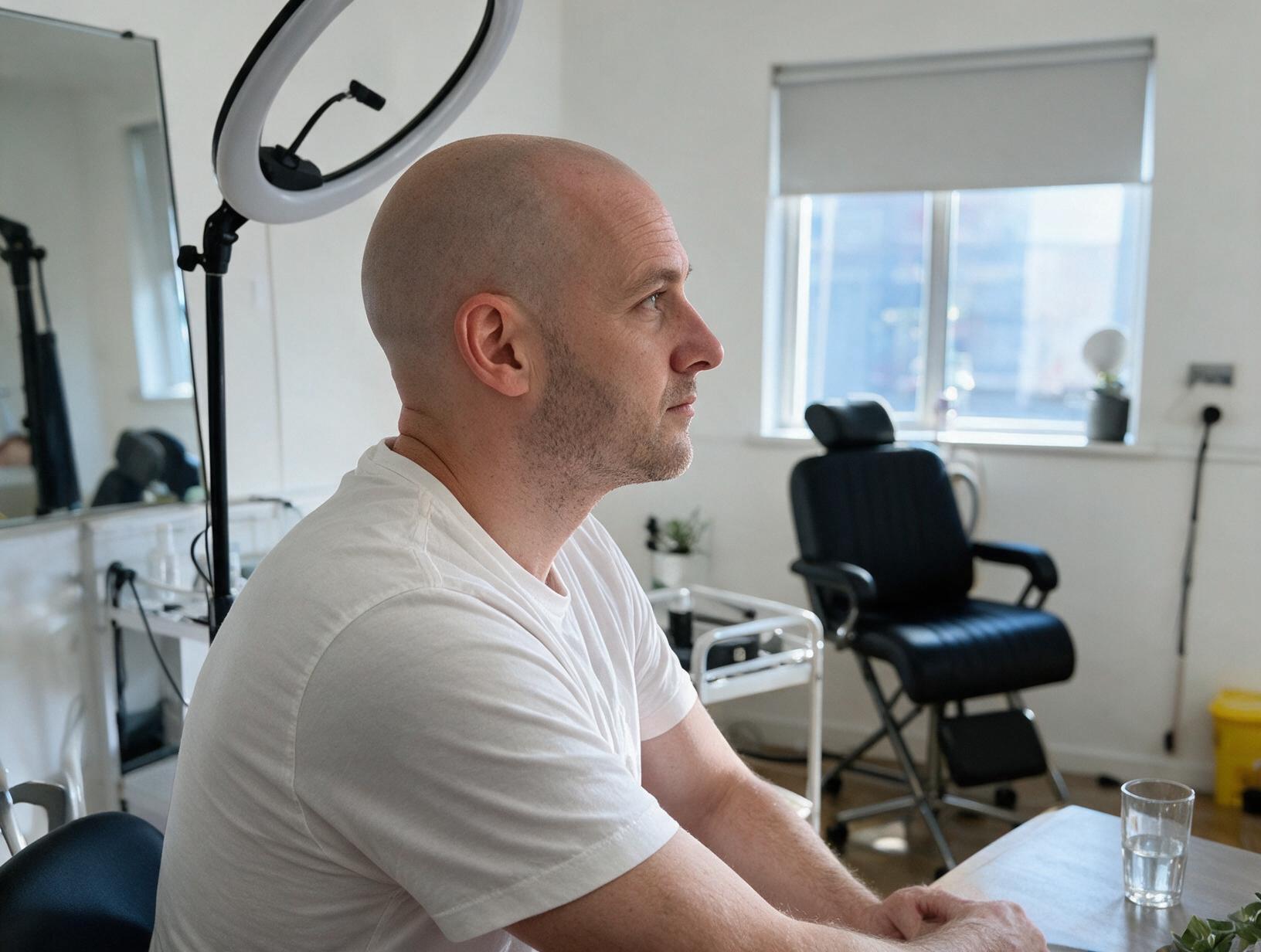
A colour match is not about making the scalp disappear completely. Some scalp showing through the hair is normal. The aim is a believable reduction in contrast, whether you are choosing a shaved look, disguising thinning or addressing a scar.
Who should delay or avoid SMP?
I would not proceed over an active scalp condition. Active eczema, psoriasis flare-ups, scalp acne or significant irritation may worsen with tattooing and can interfere with healing. The condition should settle first, and you may need advice from your GP or dermatologist.
People with a history of keloid or spontaneous keloid scarring should also obtain specialist medical advice before considering SMP. Tattooing creates controlled skin trauma, and people who form abnormal raised scars may be at greater risk of a reaction.
I also need to know about blood-thinning medication or supplements, diabetes, immune-compromising conditions, pregnancy or breastfeeding, allergies and any recent cosmetic treatment. These details do not automatically mean treatment is impossible, but they may change whether it is appropriate or when it should take place.
If hair loss has not been diagnosed, I recommend addressing that first. SMP camouflages the appearance of hair loss, but it does not diagnose, prevent or treat the underlying cause. This is especially important where loss is sudden, patchy or associated with scalp symptoms.
What risks should you understand?
SMP is a cosmetic tattoo procedure, so it carries risks similar to other forms of tattooing. These include infection, an allergic response, granulomas, scarring, pigment migration and an unnatural appearance. Incorrect colour selection can also heal with an unwanted blue or green cast, while excessive sun exposure can affect how pigment ages.
Choosing an experienced, licensed SMP professional reduces avoidable risk. I suggest asking to see healed work, not only fresh results, and paying particular attention to hairlines. A hairline that is too straight, dense or low can be difficult to disguise later.
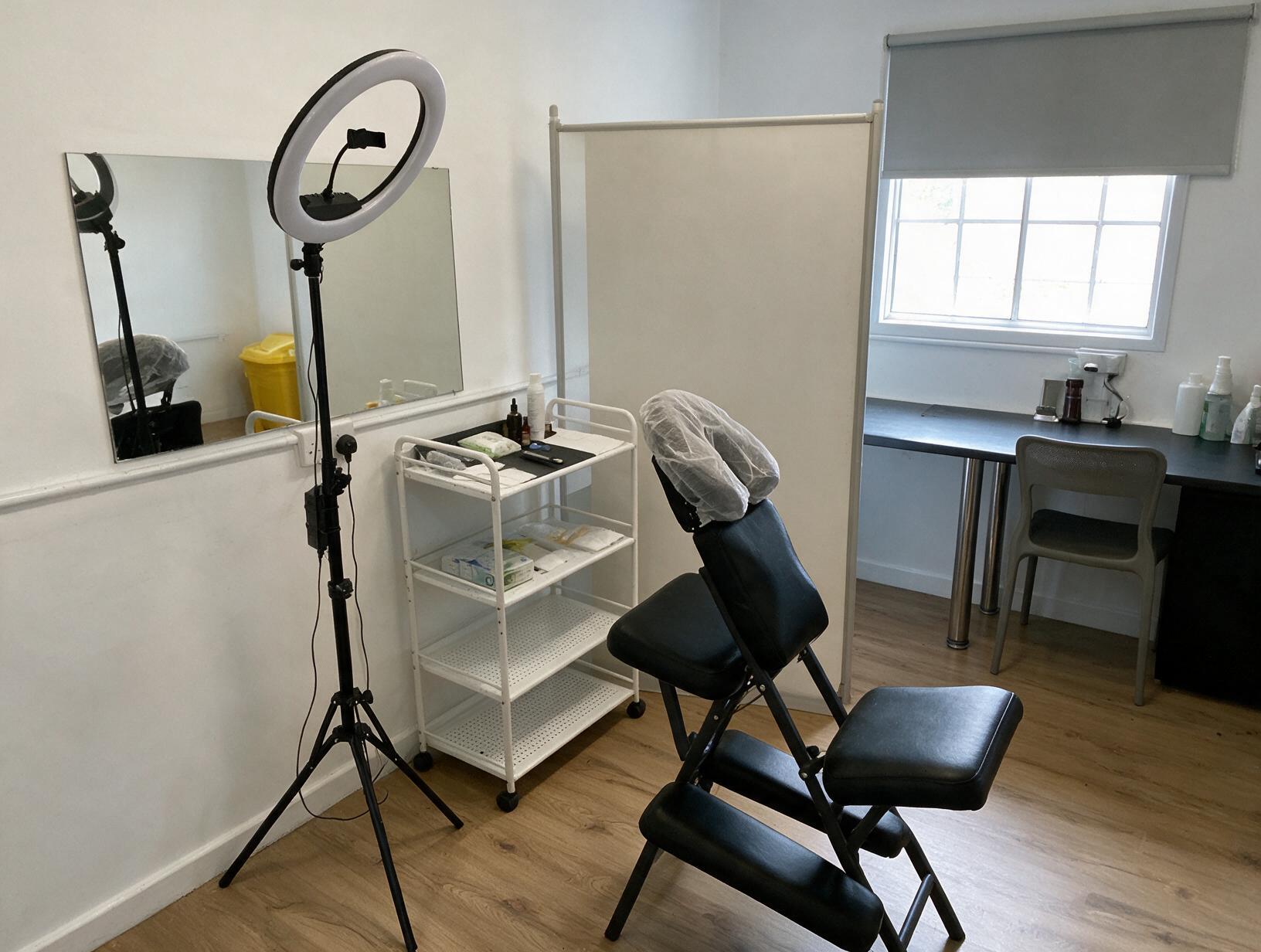
Ask how needles and equipment are handled, whether single-use items are opened in front of you, and what barrier protection is used. You should also disclose every known allergy. A patch test on an inconspicuous part of the scalp may be discussed before treatment, although it cannot remove every possible risk.
There can also be swelling or discomfort during an MRI in rare cases involving pigments with metallic components. Tell your healthcare professional that you have cosmetic tattoo pigment if an MRI is planned.
What happens during treatment and healing?
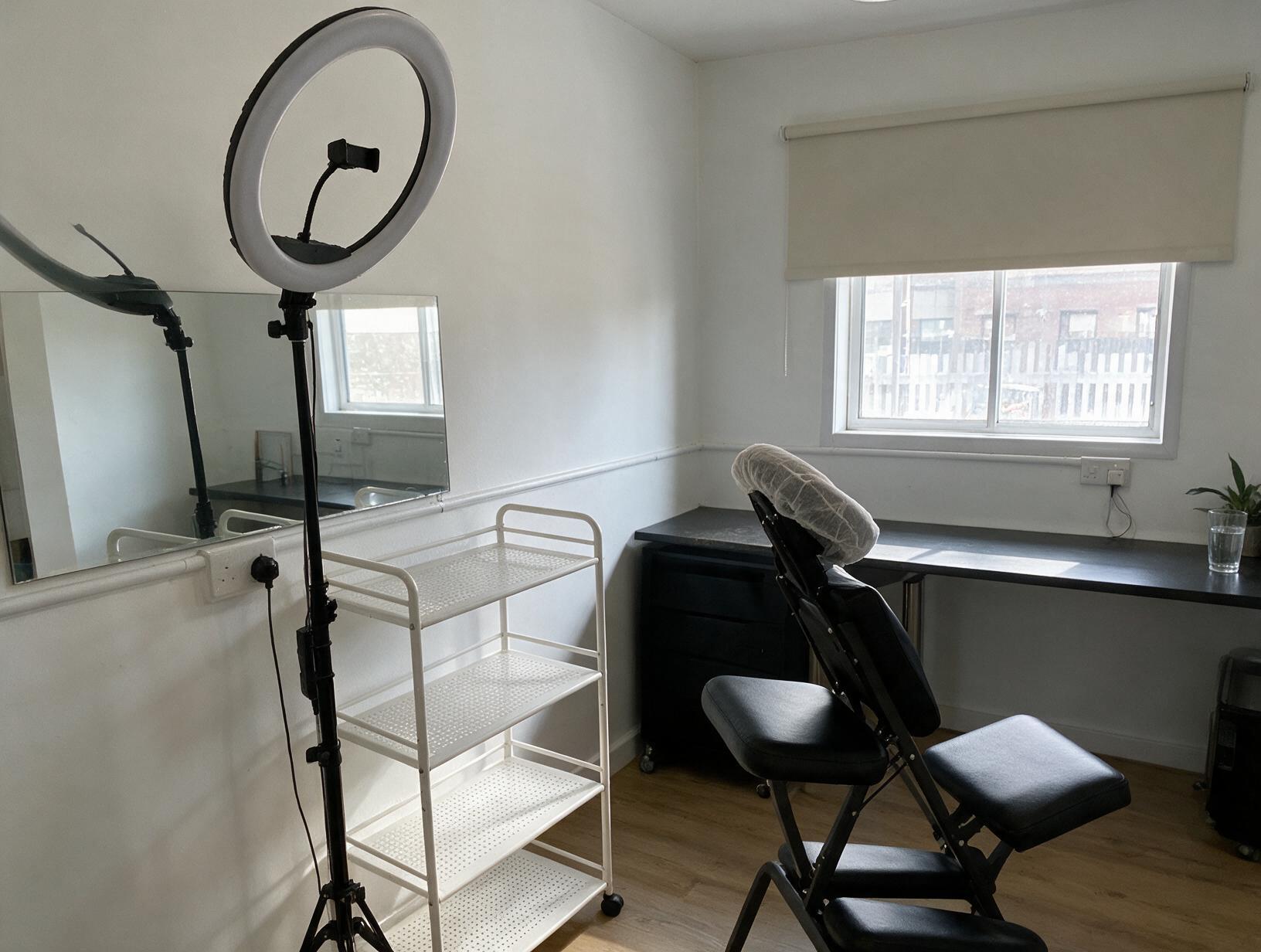
Before treatment, wash your hair and scalp as instructed and avoid topical hair products in the week beforehand. At the appointment, we discuss the treatment area, agree the hairline where relevant, match the pigment and use numbing medicine to improve comfort.
Most clients need more than one session. Most clients need more than one session, and the number depends on the area, hair loss pattern and how the scalp responds. Each session may take one to five hours. I leave healing time between sessions so I can assess the settled colour rather than layering fresh pigment over an unhealed area.
For the first four days, keep the scalp dry. Do not wash, shave or exercise heavily, and avoid sweating, hot showers, steam rooms and direct sun. From days five to ten, gentle washing can usually resume as advised. Normal grooming and SPF can resume from around day ten, while swimming pools, saunas and steam rooms should be avoided for 28 days. Healing time varies from person to person.
Colour may look darker at first and then soften. Do not pick flakes or scabs. Contact your healthcare provider promptly if you develop fever, pus or drainage, severe pain, severe redness or marked swelling.
SMP treatment and healing, step by step
- Before treatment, wash your hair and scalp as instructed and avoid topical hair products in the week beforehand.
- At the appointment, we discuss the treatment area, agree the hairline where relevant, match the pigment and use numbing medicine to improve comfort.
- Most clients need more than one session, and each session may take one to five hours.
- For the first four days, keep the scalp dry. Do not wash, shave or exercise heavily.
- From days five to ten, gentle washing can usually resume as advised.
- Normal grooming and SPF can resume from around day ten, while swimming pools, saunas and steam rooms should be avoided for 28 days.
How long will a colour-matched result last?
SMP is long-lasting, but it is not permanent in the sense of never changing. Pigment gradually fades through skin renewal, immune-cell activity, lifestyle and UV exposure. Many results last several years before a maintenance appointment is considered, but the timing varies with skin, sun exposure, grooming and the area treated.
Use scalp protection once the skin has healed, including SPF 30 to 50 when the scalp is exposed. Keeping the hair at a suitable short length also helps natural hair and pigment blend together.
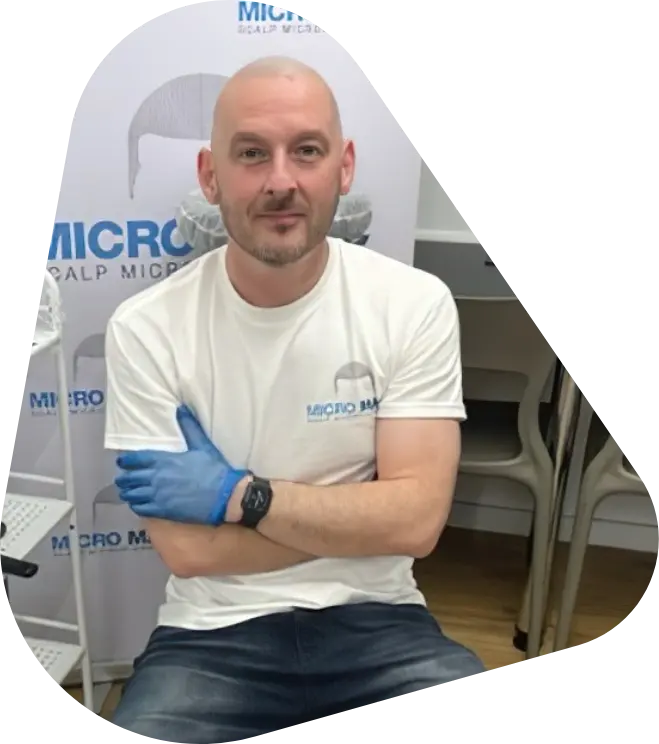
I provide SMP at Micro Magic SMP in Manchester. You can read about SMP for alopecia or scalp scar coverage before deciding whether your concern is suitable.
If you would like to discuss your skin tone, colour match and medical history, you can contact Micro Magic SMP to arrange a consultation.
Frequently asked questions
Can SMP be used on very fair skin?
Yes, very fair skin can often be treated, but pigment selection and dot density need particular care. A shade that is too dark or too warm may stand out against the scalp. I usually recommend a conservative first session, then assess the healed result before adding further density.
Can SMP be used on deep skin tones?
Deep skin tones can be suitable for SMP. The practitioner should assess the undertone, hair colour and desired finish rather than relying on complexion alone. The treatment may be designed as a soft hairline or a sharper edge-up, depending on your preference and the overall look you want.
Will SMP look blue on darker skin?
Any pigment can appear cooler or bluish if it is chosen or implanted incorrectly. This is linked to pigment colour, depth and the way light is scattered through the skin, not simply to having a darker complexion. Correct dot size, conservative layering and suitable pigment selection are important.
Can oily skin affect scalp micropigmentation?
Oily skin may influence how quickly pigment fades, although the effect varies between individuals. Lifestyle, sun exposure, skincare and natural skin turnover also matter. During consultation, I can discuss whether your skin condition calls for a more conservative approach or future maintenance.
Can I have SMP over alopecia or a scalp scar?
Possibly, depending on the type and stability of the hair loss or scar tissue. Scarred skin can respond differently from unaffected scalp, and active inflammation should be addressed first. A consultation is needed to assess texture, colour, healing history and whether the area is suitable for pigment.
Does SMP stop hair loss from progressing?
No. SMP is camouflage, not a treatment for hair loss. It can reduce visible contrast and create the appearance of fuller coverage, but it does not stimulate growth or change the underlying condition. If your loss is unexplained, seek an appropriate medical assessment before relying on cosmetic camouflage.
Can SMP be removed if the colour match is wrong?
Laser removal is possible, but it is not something I would treat casually. Removal can require multiple appointments and may be more complicated when pigment was implanted too deeply or has blurred. Choosing an experienced practitioner and agreeing a conservative colour and hairline first is preferable to correcting poor work later.